Continue reading →: Abdominal Pain at 2 AM — Appendicitis vs Gastritis
Why it matters Abdominal pain is one of the most common ED complaints. At 2 AM, when your mental bandwidth is low, it’s tempting to dismiss vague pain as “gastritis” or “indigestion.” But missing an early appendicitis is one of the most common rookie errors. The key: pattern recognition, systematic…
- Continue reading →: Chest Pain in a 20-Year-Old — Pericarditis, Not MI
Why it matters Young adults with chest pain trigger an MI reflex, but the winner in this age group is often acute pericarditis. You’ll avoid unnecessary cath lab calls (and dangerous misses) by recognizing the pericarditis pattern quickly—and by knowing the red flags that mandate admission. 1) The 30-second story…
- Continue reading →: Gastroenteritis in the ED: Don’t Miss the Red Flags
Why it matters Gastroenteritis is one of the most common ED presentations worldwide. Most cases are benign and self-limiting, but every rookie needs to remember: behind “just diarrhea” may hide sepsis, severe dehydration, electrolyte derangements, or even surgical pathology. The key is to separate the well from the sick —…
- Continue reading →: Adrenal Crisis in the ED: Don’t Miss It
Adrenal crisis is rare, but when it hits, it kills fast. Cortisol is vital for maintaining blood pressure, glucose, and stress response. Without it, patients collapse into refractory shock that won’t respond to fluids or pressors unless you replace steroids. For rookies, the challenge is thinking of adrenal crisis early…
- Continue reading →: Anaphylaxis in the ED: Recognition and Management for Rookies
Anaphylaxis is a rapid, life-threatening, systemic hypersensitivity reaction. Rookies often lose time on labs, IV diphenhydramine, or steroids. Don’t. In anaphylaxis, epinephrine IM—now is what saves lives. Spot It Fast: ED Recognition High-risk triggers: foods (peanuts/tree nuts, shellfish, milk, egg), meds (β-lactams, NSAIDs, contrast), stings (bee/wasp), latex, exercise-induced (often food-dependent).…
- Continue reading →: Sepsis Resuscitation: What to Do in the First Hour
Sepsis is one of the most time-sensitive emergencies in the ED. Every hour of delay in treatment increases mortality. For rookies, the first 60 minutes are critical: this is where you either turn the tide — or watch the patient spiral. What Is Sepsis? Think: infection + abnormal vitals +…
- Continue reading →: Recognizing Shock in Children: Subtle Signs Rookies Miss
Shock in kids can be sneaky. Unlike adults, who crash fast, children compensate until they suddenly collapse. For rookies, this means you can’t wait for hypotension — by the time it shows up, it’s late and dangerous. What Is Shock? Why It’s Harder in Kids Subtle Signs Rookies Miss Rookie…
- Continue reading →: Blood Products in the ED: What Rookies Need to Know
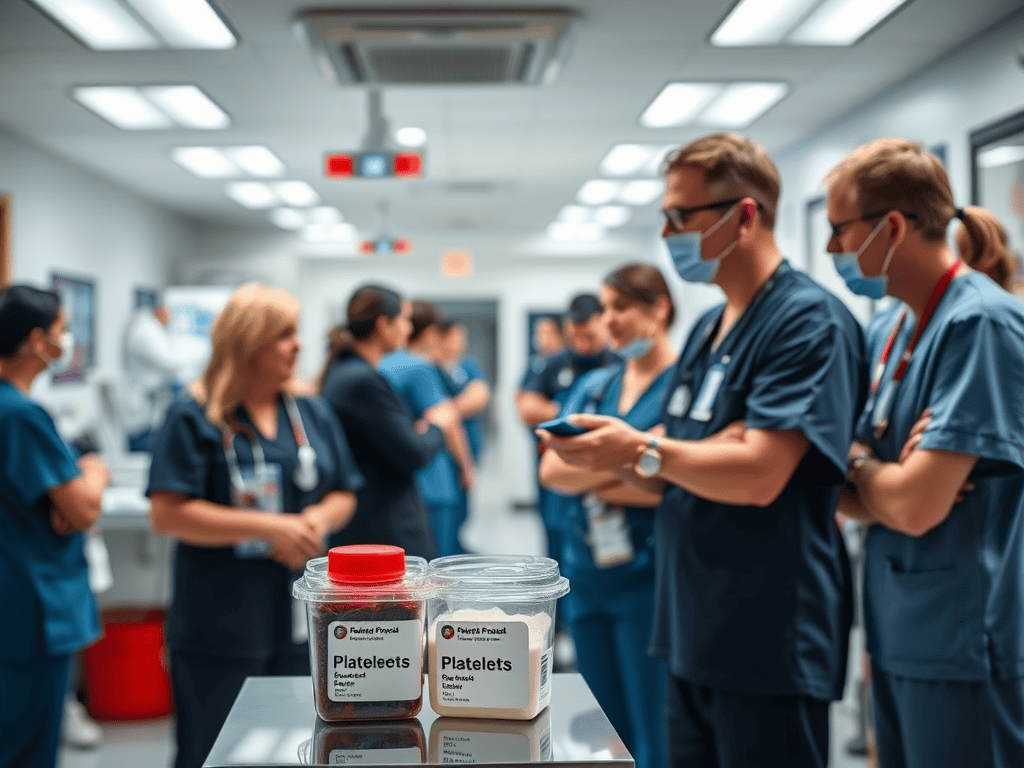
Ordering “2 units of blood” is easy. Knowing which blood product, when, and why is the real rookie challenge. In the ED, transfusion decisions are often made under pressure, but understanding the basics of blood products prevents errors and improves outcomes. The Main Blood Products You’ll See in the ED…
- Continue reading →: Massive Transfusion Protocol in the ED: How to Activate and Run It
A trauma patient rolls in, pale, tachycardic, hypotensive, and actively bleeding. Fluids won’t cut it — they need blood, and fast. This is where the Massive Transfusion Protocol (MTP) saves lives. For rookies, the challenge is knowing when to activate it and how to keep it running smoothly. What Is…
- Continue reading →: Peripheral Vasopressors in the ED: Are They Safe?
Every rookie has heard it: “Never give vasopressors through a peripheral line — it will necrose the arm!” But in the ED, time is life. When a patient is in septic shock and crashing, do you really wait for a central line? The truth is: peripheral vasopressors are safe —…










Hi,
I’m Jason,
an Emergency Medicine specialist.
I started this blog to share the lessons, mistakes, and little tricks I’ve learned in the chaos of the ER.
This isn’t just about protocols — it’s about surviving night shifts, handling stress, finding humor in tough moments, and growing into the doctor you want to be.
If you’re just starting your journey in emergency medicine, think of this as a friendly guide from someone who’s been there. Welcome to ER Basics 4 Rookies — I’m glad you stopped by.
Let’s connect
Join the fun!
Stay updated with our latest tutorials and ideas by joining our newsletter.